
Stop Running Your Ecommerce Store Manually
I run a custom ecommerce automation service for WooCommerce, Shopify, and multi-channel merchants. Most ecommerce operations depend on tasks that repeat every day and require a human only because no one has automated them yet. I build the workflows that handle the repeatable work so you can focus on what actually requires your judgment.
Manual Operations Are the Biggest Tax on Your Business
Every hour spent copying orders between systems, manually checking stock levels, reconciling channel data, or triggering restock emails by hand is an hour that did not go toward growth. As order volume increases, manual operations do not get more efficient. They become the bottleneck.
The merchants I work with are typically running the same ten to fifteen manual tasks every week that have never been automated because setting them up felt like a project that never made it to the top of the list. That is exactly the project this ecommerce automation service takes on.
What the Ecommerce Automation Service Covers
Engagements are scoped to the workflows your operation actually needs. The most common builds across WooCommerce, Shopify, and multi-channel operations:
Inventory Management
Low stock alerts, automatic reorder triggers, and inventory level sync across storefronts and marketplace channels.
Order Operations
Order routing between fulfillment locations or 3PLs, shipping confirmation triggers, and exception handling for failed orders.
Multi-Channel Sync
Product data and inventory sync across WooCommerce, Amazon, Walmart, and Shopify. One source of truth, pushed everywhere.
Pricing Pipelines
Automated pricing updates across channels based on rules, margin targets, or competitor data feeds.
Operations Reporting
Scheduled daily and weekly reports delivered automatically — inventory positions, sales by channel, fulfillment status.
Post-Purchase Sequences
Customer notification workflows, review request triggers, return and refund process automation.
Built on n8n — 100+ Workflows Running in Production
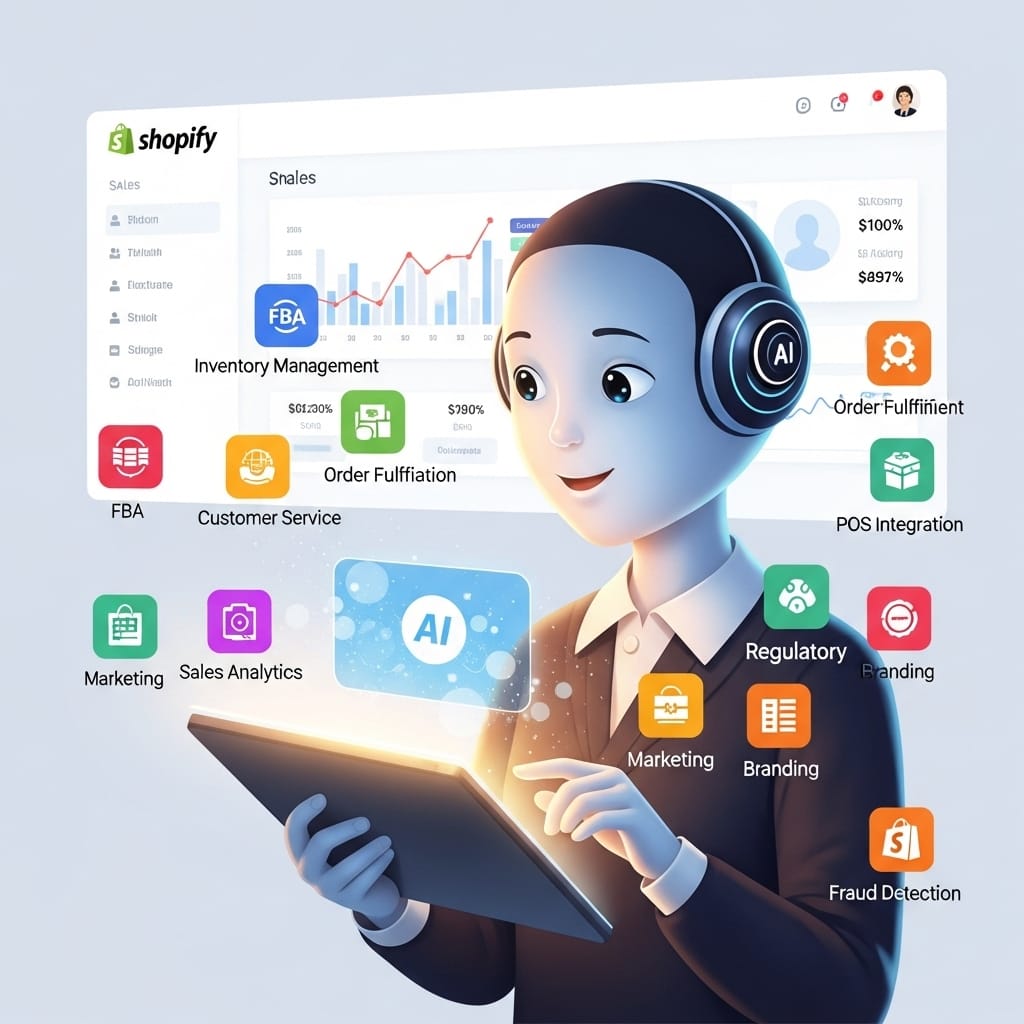
I build on n8n, a self-hosted workflow automation platform — the same stack I run across my own multi-channel ecommerce operations. That means I am not learning your problem on your time. The inventory alert pattern, the order routing logic, the channel sync structure: I have built these before. The build is faster and the output is more reliable because the patterns are proven in production. That operational experience is what distinguishes this ecommerce automation service from a generic workflow consultant.
All workflows are deployed on your own server or VPS. You own the infrastructure and the workflows when the build is complete. There is no ongoing dependency on a third-party automation platform to keep them running.
If you do not have n8n set up, installation and deployment are included in the engagement scope. You do not need technical experience with the platform before we start.
WooCommerce Automation and Beyond
The most common ecommerce automation work involves connecting platforms that do not communicate natively. Platform coverage for this service:
- WooCommerce — inventory, order routing, fulfillment triggers, pricing pipelines, reporting
- Shopify — order and inventory workflows, channel sync, post-purchase sequences
- Amazon US and Amazon Canada — inventory sync, order status pull, listing data automation
- Walmart and Walmart Canada — order routing, inventory level updates, feed automation
- Multi-channel combinations — most engagements connect two or more platforms; the automation layer handles what they do not do natively
How the Ecommerce Automation Service Works
Each engagement starts with a free 15-minute intake call to confirm scope and whether the ecommerce automation service is a fit for your operation. Work is priced per build: a single workflow, a workflow set, or a full operations automation audit followed by a build phase. Scope and price are confirmed before any work begins.
There is no retainer and no managed service relationship. The engagement ends when the deliverable is complete and deployed. If you need additional workflows later, that is a new scoped engagement.
The recommendations I make are the same ones I apply to my own operations. I do not build automations with tools I have not run in production myself.
Automate Your Ecommerce Operation
The intake call is free and takes 15 minutes. If your operation has manual tasks that repeat on a schedule, there is a high probability they can be automated. Or send a message if you prefer to start there.
Operator to operator. No sales pitch.
Start the Conversation
Stuart reviews every request personally and responds within one business day.
Something went wrong. Email Stuart directly at [email protected].
Prefer to talk first? Book a 15-minute call →
Common Questions
WooCommerce and Shopify for storefronts, with marketplace integrations for Amazon US, Amazon Canada, Walmart, and Walmart Canada. Most automations connect two or more platforms together — syncing inventory, routing orders, or coordinating data between a storefront and a marketplace channel. If your stack includes platforms not listed here, ask during the intro call and I will confirm whether integration is feasible.
No. If you do not have n8n running, setup and deployment on your server or VPS are included in the engagement. You do not need prior experience with the platform. All workflows are deployed on your own infrastructure — you own them when the build is complete, with no ongoing dependency on me or a third-party service to keep them running.
Pricing depends on scope and complexity. A single workflow build is priced differently than a multi-workflow build or a full operations automation audit followed by a build phase. Every engagement is priced at a fixed project rate — no hourly billing. Scope and price are confirmed after the intake call before any work begins.
You do. All workflows are deployed on your infrastructure and delivered as exported workflow files you can import and modify. That is the core promise of this ecommerce automation service: you get working automation infrastructure, not an ongoing service dependency. No retainer, no subscription required to keep the automations running.
Yes. Multi-channel coordination is one of the most common use cases. Typical builds connect a WooCommerce or Shopify storefront with Amazon and Walmart channels for inventory sync, order routing, and reporting. If you are running the AI Commerce Readiness Assessment, channel automation readiness is part of that scope as well.